Ancient Knowledge in a Digital World
We often think of data as something stored in devices, servers, and clouds. We carry it in our pockets, search for it on screens, and trust technology to remember what we cannot.
But long before information was digitized, knowledge lived somewhere else.
It lived in our hands.
Today, we celebrate new technology, but rarely ask what will happen when the people using it grow old.
Imagine an elderly person holding a smartphone in one hand. Their hand trembles slightly with age. Their fingers no longer move with the same precision. Their eyes struggle to focus on small text. Reading a message, entering a password, or tapping the correct button becomes difficult. The device that once promised convenience now demands skills that aging bodies may no longer have.
As more of life moves onto phones and screens, we face an important question: Will technology adapt to aging bodies, or will older adults be forced to adapt to tools designed for younger hands and younger eyes?
Yet there is another question hidden beneath this one.
What happens when we stop using our hands?
Motor skills are not something we keep forever. They are something we practice. Like muscles, they grow weaker when they are neglected. For most of human history, people used their hands every day to cook, repair, sew, garden, build, carve, paint, and shape the world around them.
Their hands held a different kind of data.
Not digital information, but embodied knowledge.
Knowledge of weight and balance.
Knowledge of texture and pressure.
Knowledge of timing and rhythm.
Knowledge of how to fix, build, transform, and create.
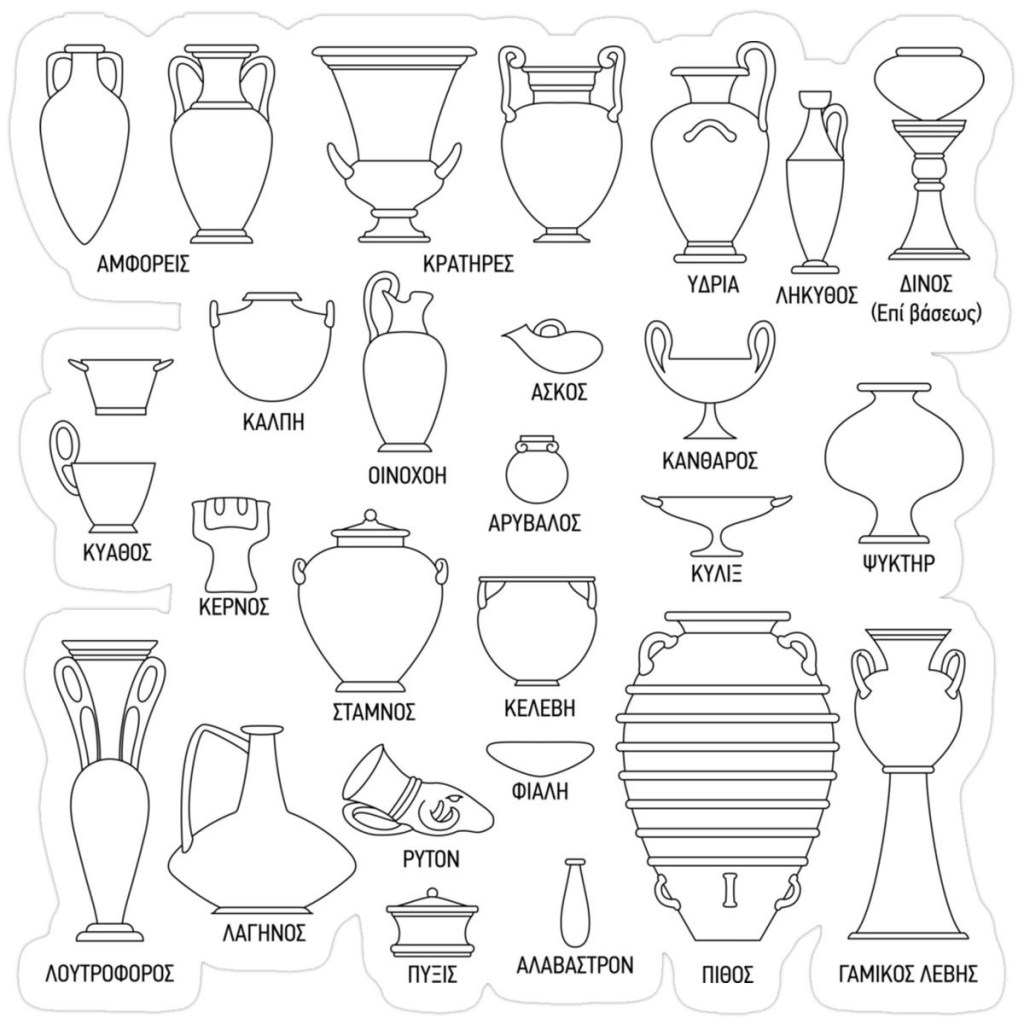
Ancient potters measured with their fingers, palms, and eyes. A brushstroke returned to itself as the vessel turned, becoming a circle. The wheel spun, the clay centered, and the maker’s body became part of the process. Knowledge lived in the hands.
Working with our hands satisfies a need that technology cannot replace. We can change our devices, our screens, and our tools, but our hands remain ancient. They still remember ways of knowing that existed long before books, computers, or machines.
They crave the experience of making.
To touch and feel.
To shape and change.
To imagine and create.
Perhaps this is why art-making feels so natural. It reconnects us to an intelligence carried in our bodies for thousands of years. Between the brain and the hands exists a constant conversation—a desire to solve problems, build, repair, organize, transform, and give meaning to what surrounds us.
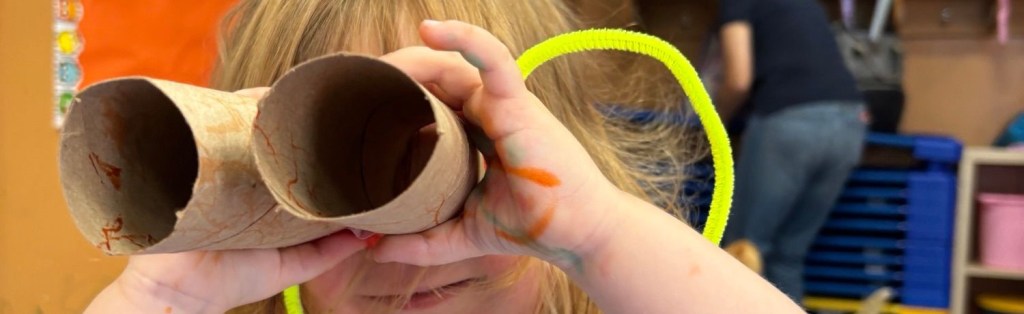
As an early childhood educator, I witness this every day. Children do not wait for perfect materials. A cardboard tube becomes a telescope. A box becomes a castle. A scrap of paper becomes a treasure map. Through play, they squeeze, poke, stack, build, invent, and transform. Their hands are constantly gathering information about the world.
They are collecting their first data through their tiny fingers.
Somewhere between childhood and old age, many of us stop trusting our hands. We begin to rely more on screens than touch, more on convenience than making. Yet the desire to shape, repair, and transform never fully disappears. It simply waits for an opportunity to return.
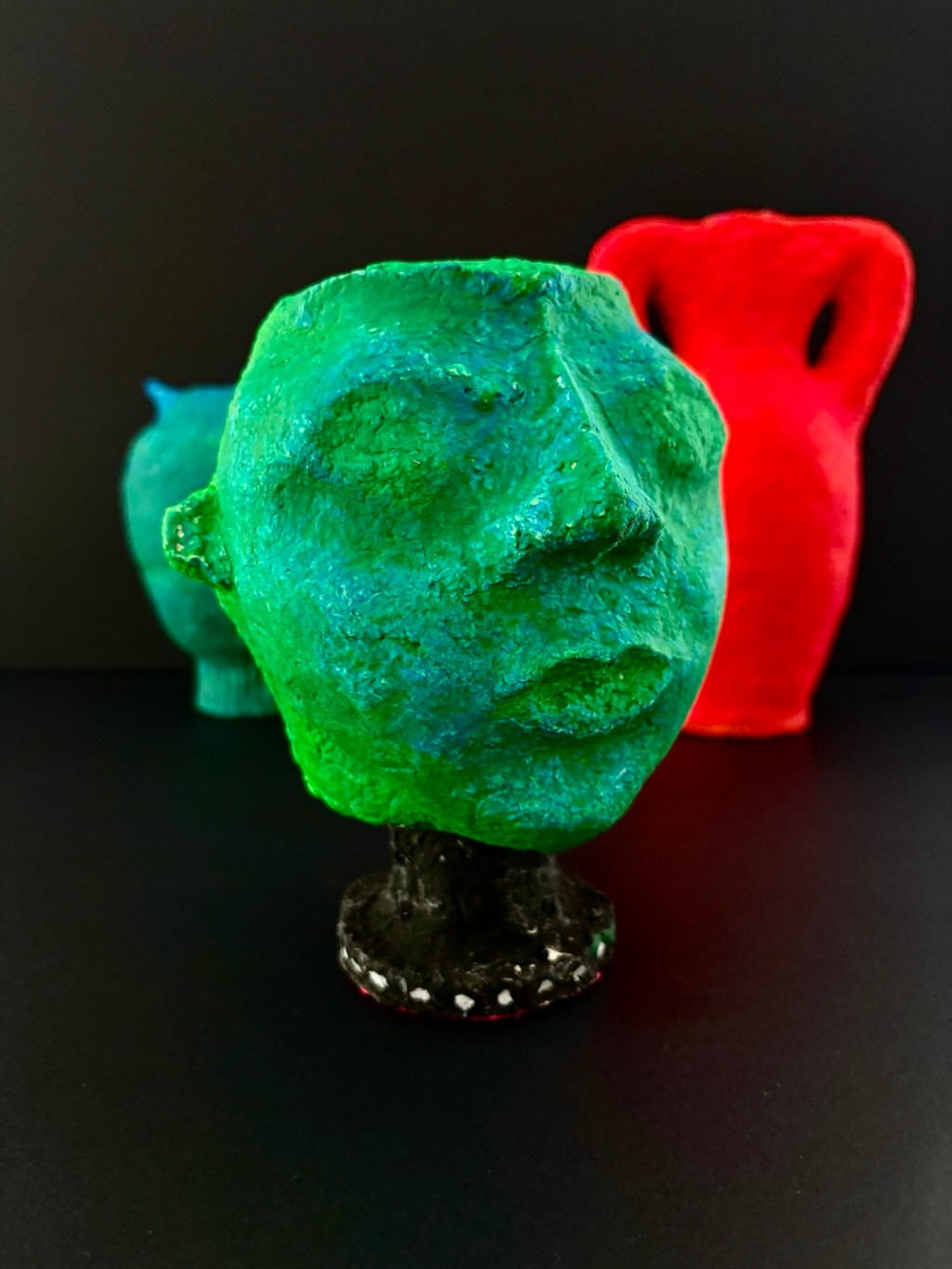
At QuiteSometime Studio, I continue that conversation through reclaimed materials. Discarded objects, forgotten materials, unfinished ideas, and overlooked fragments become opportunities for transformation.
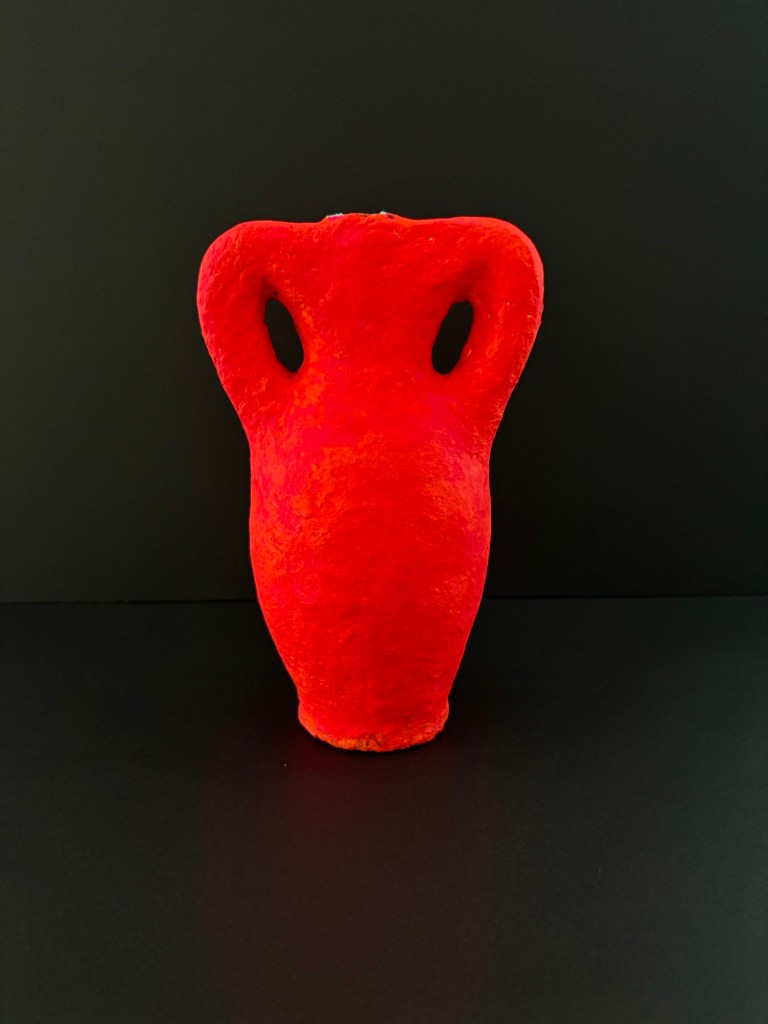
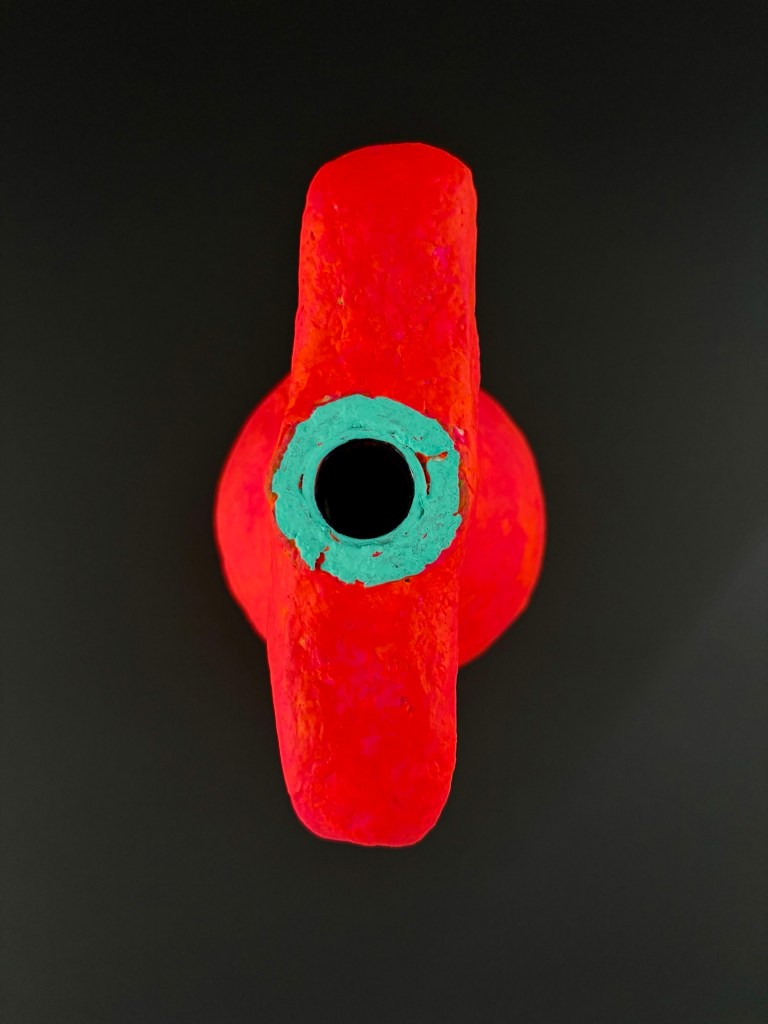
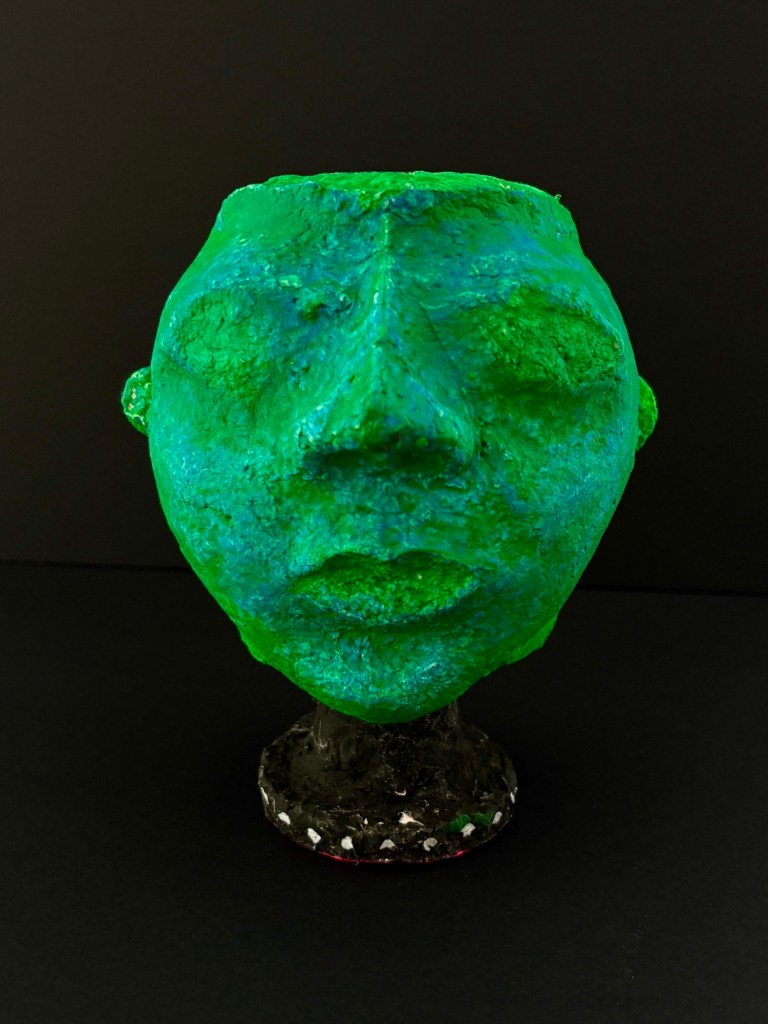
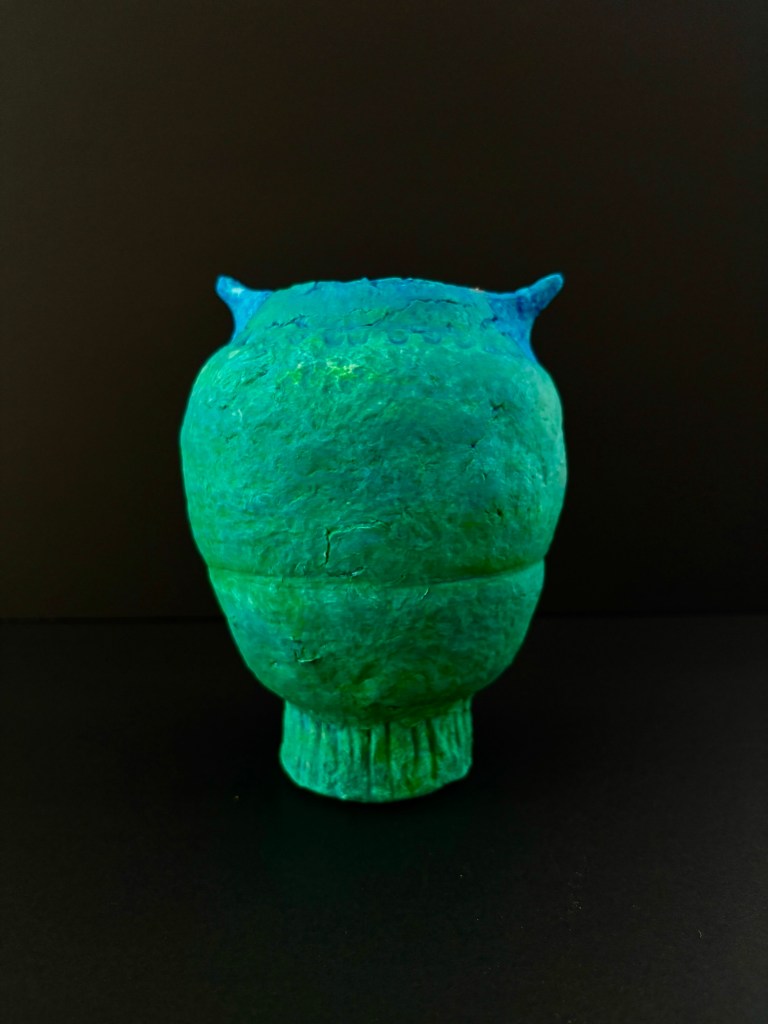
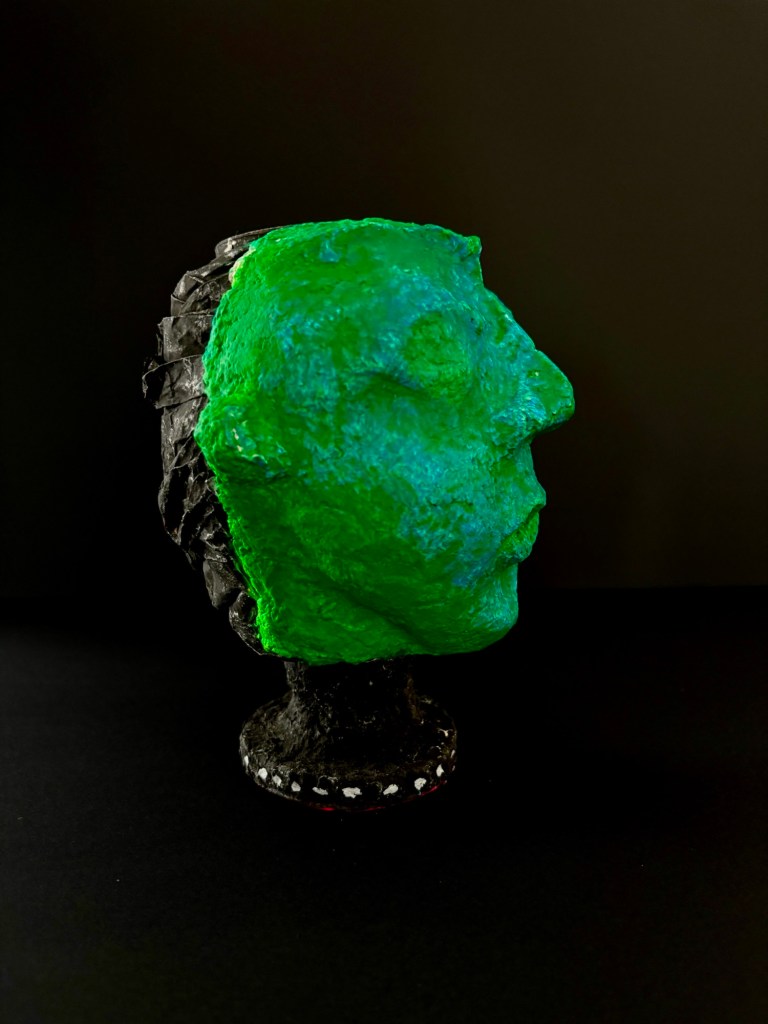
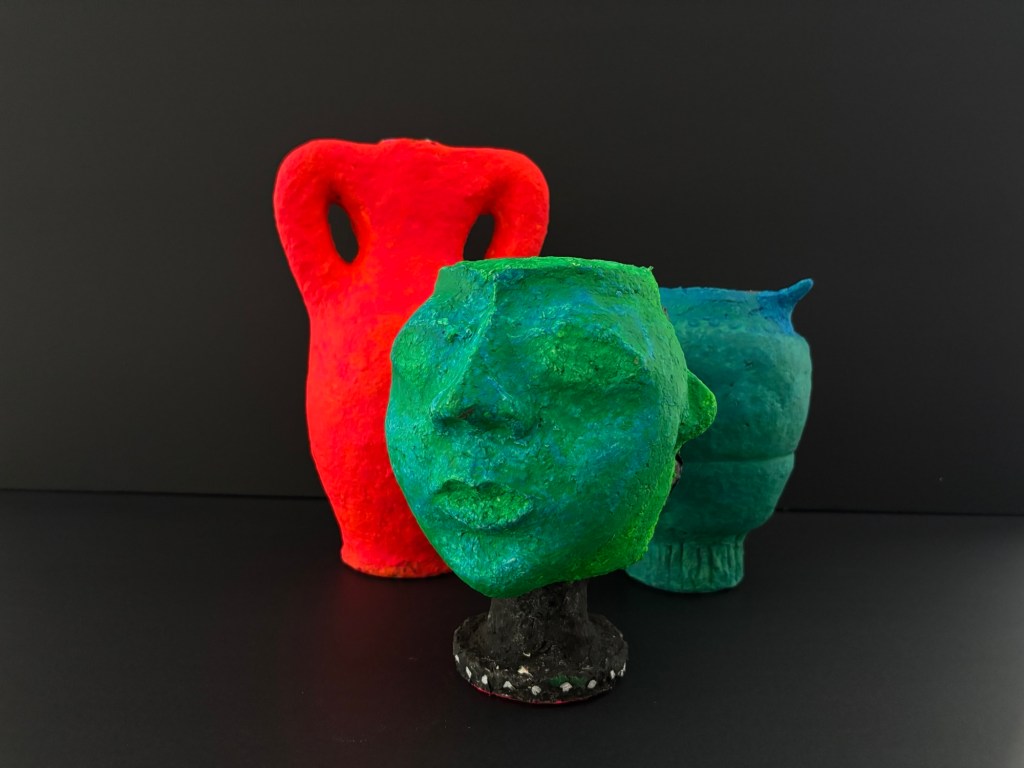
As I shape, build, and repair, I find myself thinking through my hands. Ancient skills emerge in unexpected ways. I begin to understand why makers across thousands of years were drawn to certain forms and proportions. Why a curve feels right. Why a vessel widens at one point and narrows at another. Why some shapes have endured across cultures and generations.
Without rulers or digital measurements, ancient potters examined forms with their palms, fingers, and eyes. They felt balance, volume, and proportion directly through touch.
A simple bowl shape may seem ordinary, but it carries thousands of years of refinement.
Over generations, forms became more elegant, more functional, and more distinctive. Each maker left subtle traces of their own hand and their own way of seeing.
Working this way reminds me that knowledge does not exist only in books or screens. Some knowledge is stored in movement, repetition, touch, and practice. It is passed from hand to hand across generations, waiting to be rediscovered every time we make something ourselves.
Each piece begins as an act of attention.
Each piece asks the hands to participate.
Each piece carries the belief that transformation is always possible.
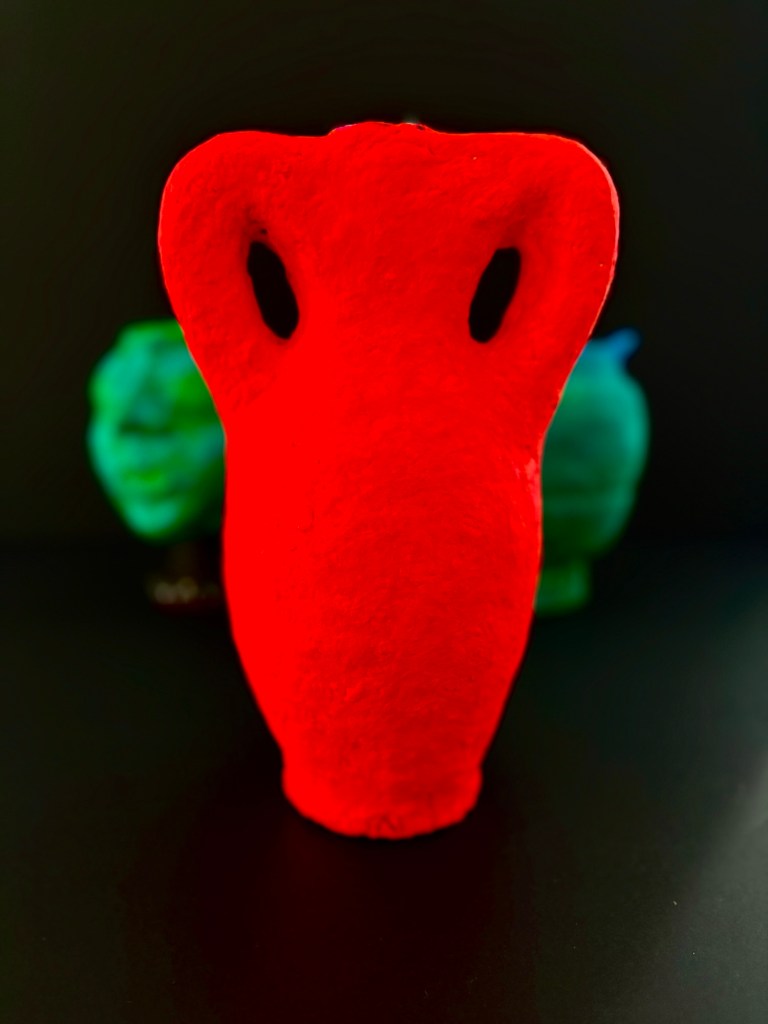
Every vessel, sculpture, and repaired fragment is a reminder that what appears finished, forgotten, or without purpose may simply be waiting for new hands and a new story.
In a world increasingly shaped by digital information, perhaps we should remember the data stored in our hands.
The knowledge of making.
The knowledge of caring.
The knowledge of transforming.
The knowledge of being human.


Leave a Reply